IWD 2021: Football Welcomes Women Refugees & West Ham Commitment to Broader Community Engagement
The global scale of displacement has reached staggering heights. Latest figures from UNHCR show there are over 80 million forcibly displaced people worldwide, including 45 million IDP (internally displaced people), 4.2 million asylum seekers and 26 million are refugees.
Behind these statistics are families and individuals whose lives have been upended by conflict and persecution. And for women, migration is fraught with additional risks. UN Women highlights that gender influences every stage, from the motivations for leaving to the integration into new communities. Women refugees often face heightened risks of gender-based violence, limited access to essential services, and systemic discrimination in the labour market.
In the face of these challenges, football has emerged as a vital tool for support and empowerment. Organizations like Refugees and Football and initiatives like the Football Welcomes Refugees programme (a partnership between Amnesty International and The Football Association), demonstrate the sport’s capacity to foster community and belonging.
In January 2021, the FA and Amnesty launched a new guide and training series specifically designed to increase the participation of refugee women in grassroots football. Beyond teaching the game, this initiative creates a supportive framework that helps displaced women integrate into their new communities, find a sense of belonging, and reclaim their agency. By providing a safe space to play, Watch the Amnesty International Football Association Football Welcomes Women Refugees Launch Event.
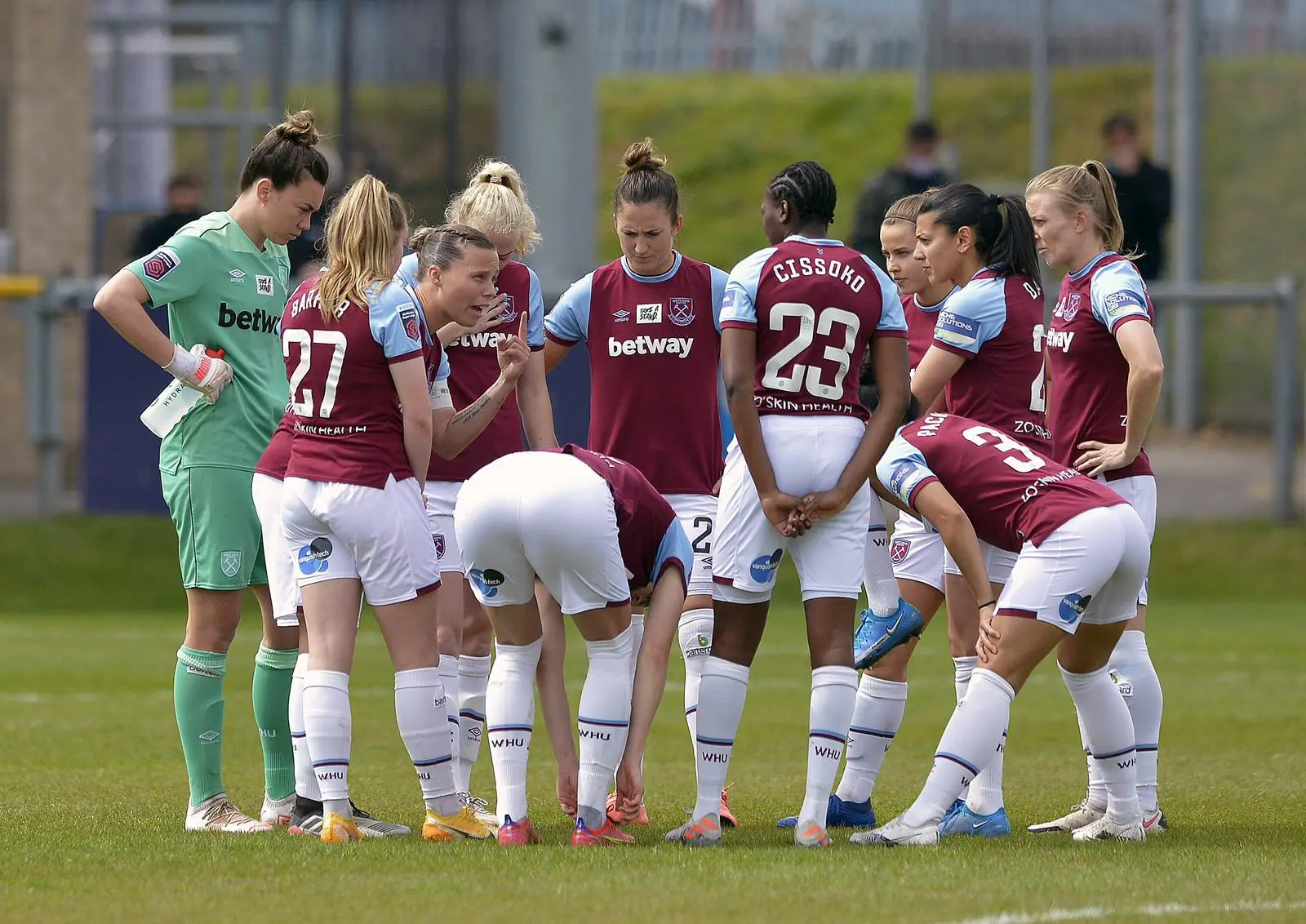
This commitment to inclusion is echoed at the professional level. To mark International Women's Day, West Ham has taken a proactive stance against discrimination.
West Ham Women challenged sexist stereotypes through a “Mean Tweets” campaign, directly confronting the prejudice that female athletes often face online. By reacting with humour and strength to comments like “get back in the kitchen,” these players are asserting their right to be respected for their skill and dedication on the pitch. This effort is part of a broader commitment to an engaged community, where the club actively promotes equality and works to dismantle the barriers that prevent women and marginalized groups from fully participating in the sport.