A Few Recent Thoughts on Sport for Development and Peace
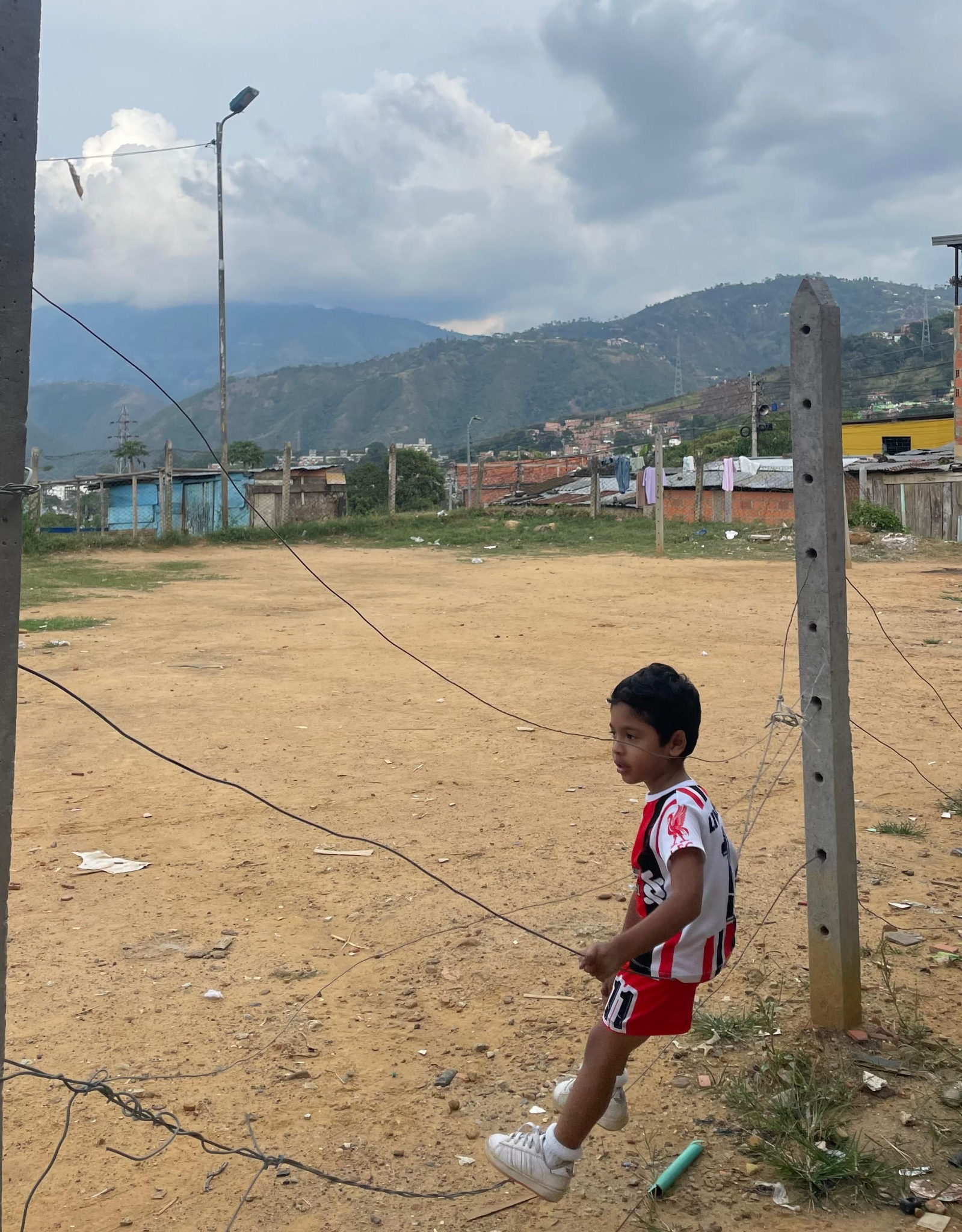
Last week, the Sport and Rights Alliance launched their new strategy, which in short states that sport belongs to all and promotes initiatives to strengthen it as a force for good. Sport has a proven impact on individual and societal wellbeing, but the industry around it – whether at the professional or amateur level – has made it less accessible. Though innovation and consumption seem to drive society forward, true progress cannot come without equal basic rights, and sport is one of them.
At the individual level, it's clear that social media has distorted the focus of amateur sport from personal wellbeing and community building to high performance and even unreachable fitness standards. It imposes costs such as “the right shoes,” “a smartwatch,” and all in all lifestyle changes that don't fit the realities of many, especially those in vulnerable situations.
For children and youth, the challenge is the same. A lack of access to facilities hinders their possibilities to explore different sports. Then, requirements and costs related to equipment harm their chances to progress. Let us remember a statement by Luis Enrique (former footballer and current PSG head-coach): less than 1% of Spanish kids reach the professional level, so their focus should be on enjoying themselves and the positive development aspects that come with playing football or any other sport.
When put into the context of conflict-affected societies, sport at the grassroots level can become a pathway to peace and an opportunity for at-risk children, youth, and adults. Our blog is filled with stories that reflect that, including the underlying benefits for those who were able to reach a professional level.
These insights came to me mirrored by reflections on the health sector: there is a new $500 toothbrush on the market, and while innovation is important, there are thousands if not millions of people around the world who don’t have access to basic dental hygiene products. So is it really innovation if we are failing to offer basic conditions to all?
I guess the same applies to sports when viewed as a tool for development and peace. Beyond funding challenges, those of us who work in and for this field also need to fight the trends of performance and consumption that seem to drive people away from opportunities – and, most importantly, from a basic right (especially for children, as it’s explicitly stated in their rights charter).
I could go on a little more if we were to discuss FIFA’s intentions to commercialize football and make it even less accessible, but maybe that’s a topic for another blog.