Football and Music: Social Spaces for Peacebuilding
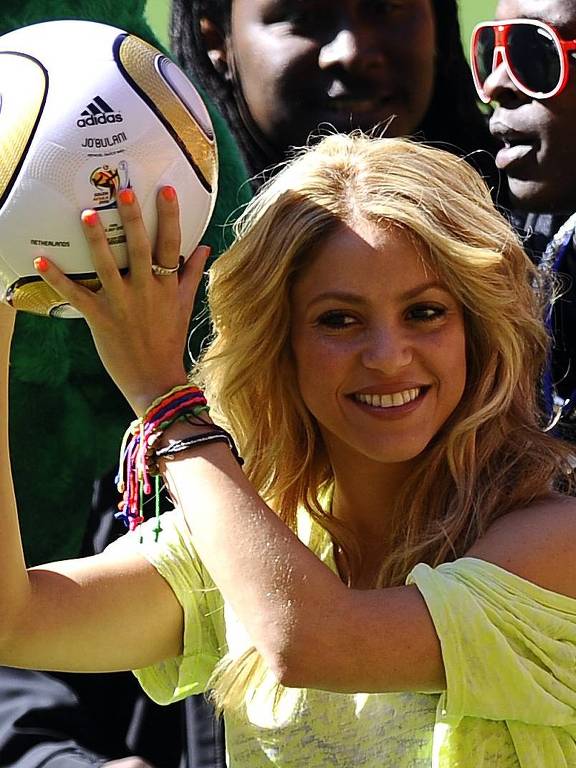
Football resonates with the world. It is a universal language, spoken with movement, collectiveness and passion. And for nearly two decades, no one has captured that frequency like Shakira's “Waka Waka”.
The 2010 FIFA World Cup in South Africa was the first - and so far, the only - time the tournament was hosted in Africa. When Shakira created the anthem for it, Shakira drew from her own childhood and the sounds of her heritage, creating a song that felt both deeply personal and entirely universal.
A polyglot and a true global citizen, Shakira honoured her roots, while fusing rhythms, blending languages (including the iconic Fang chorus from Cameroon), creating the sense of a shared community.
This song still tops the charts of our memory at every World Cup, simply because, just like football, it creates a social space.
In peacebuilding, social spaces are the bridges between individuals and structures. They strengthen bonds and address inequalities that fuel conflict. In this way, the football pitch is one of the few places where the "other" is either a teammate or a respected rival. Football requires a shared set of rules and mutual understanding, and for that, it can be a catalyst for peace at many levels.
And when “Waka Waka” plays, we are transported to a sonic stadium (and a different decade, if you're old enough) where people from different continents dance to the same beat, proving that our common language is rhythm and, of course, play.
Beyond the catchy chorus, the lyrics speak of resilience and celebration - not just on the pitch. Players are like soldiers on the frontline and tensions are high, but unlike in real life, in football competition isn't a conflict, it's a constructive outlet for passion and pride.
Four years later, Shakira did it again. Another hit of cultural mingling for the 2014 FIFA World Cup in Brazil, to “show the world we are one” - though not as popular as “Waka Waka”; it remains the gold standard of anthems for all tournaments. The mixture of rhythms and language, the beat and the choreography made us feel part of a global resonance that, for a few weeks every four years, makes the world feel whole.
Similarly, New Model Army, together with Spirit of Football, maps out the physical reality of football as a common language in “The Beautiful Game”. It captures the global reach of the sport, bringing light to even the toughest corners of the world. It highlights the empathy inherent in football, for it transcends differences and teaches us how to win with grace and how to lose with dignity. It talks of the shared social space (“limitless cities”), because it doesn't matter where you come from, the “spirit of the beautiful game” remains identical.