The Mo Salah Effect: Tackling Intolerance and Prejudice
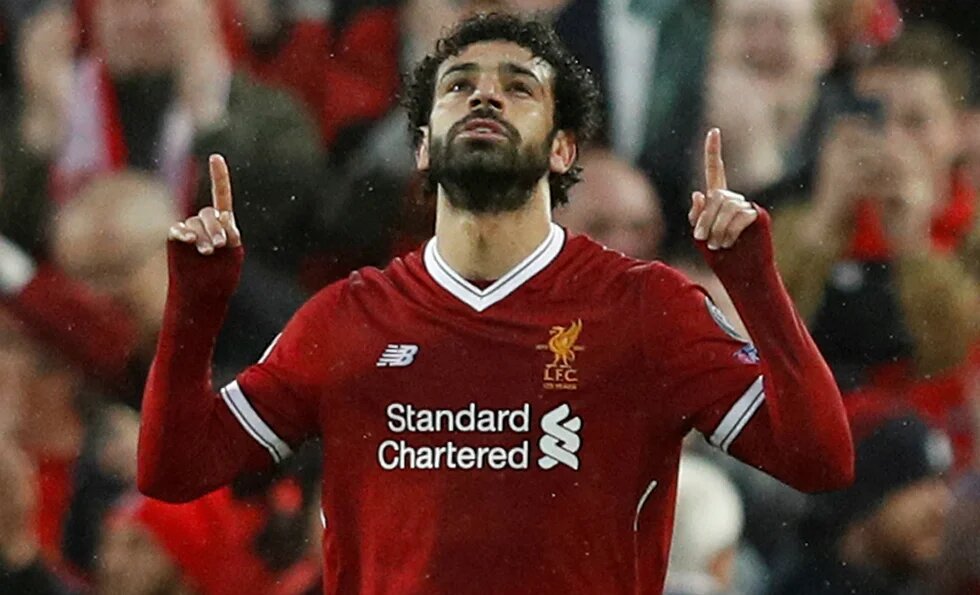
Mohamed Salah is world-famous as an outstanding and exciting footballer for Liverpool F.C. But what is less well-known is that his influence extends far beyond the pitch promoting more positive community relations in the city – what researchers call the ‘Mo Salah Effect’.
As a practicing Muslim who is seen not only as a great footballer but also as humble and inspirational person, Salah has become a powerful role model, conveying a positive image of Islam in a city that is less ethnically diverse than much of England and Wales and has had a relatively high prevalence of hate crimes.
Stanford University conducted a comprehensive study to measure this impact off the pitch. Their findings provide compelling evidence of how "parasocial contact"—exposure to celebrities from stigmatized groups—can spark real-world behavioural changes and reduce prejudice. More specifically, they concluded that the ‘Mo Salah Effect’ had a significant impact on reducing Islamophobic attitudes and behaviours in Liverpool.
In practice, the ‘Mo Salah Effect’ represented a measurable shift in social behaviour and sentiment: there was a decrease in hate crimes in the Merseyside area following his arrival; in the digital space, the rate of anti-Muslim tweets among fans was effectively halved; and surveys showing an increase in the belief that Islamic faith is compatible with British values.
This study shines a light on the link between football and positive peacebuilding, more specifically three of the pillars of positive peace: Free Flow of Information, as humanizing media coverage of Salah’s faith countered traditional negative stereotypes; Acceptance of the Rights of Others, seen in the structural shift toward religious inclusion at Anfield and the emboldening of fans to practice their faith openly; and Good Relations with Neighbours, as Salah acted as a cultural bridge to foster a shared identity across Liverpool’s ethnically and religiously diverse community.
References: