Football as Local Resistance and Global Solidarity for Palestine
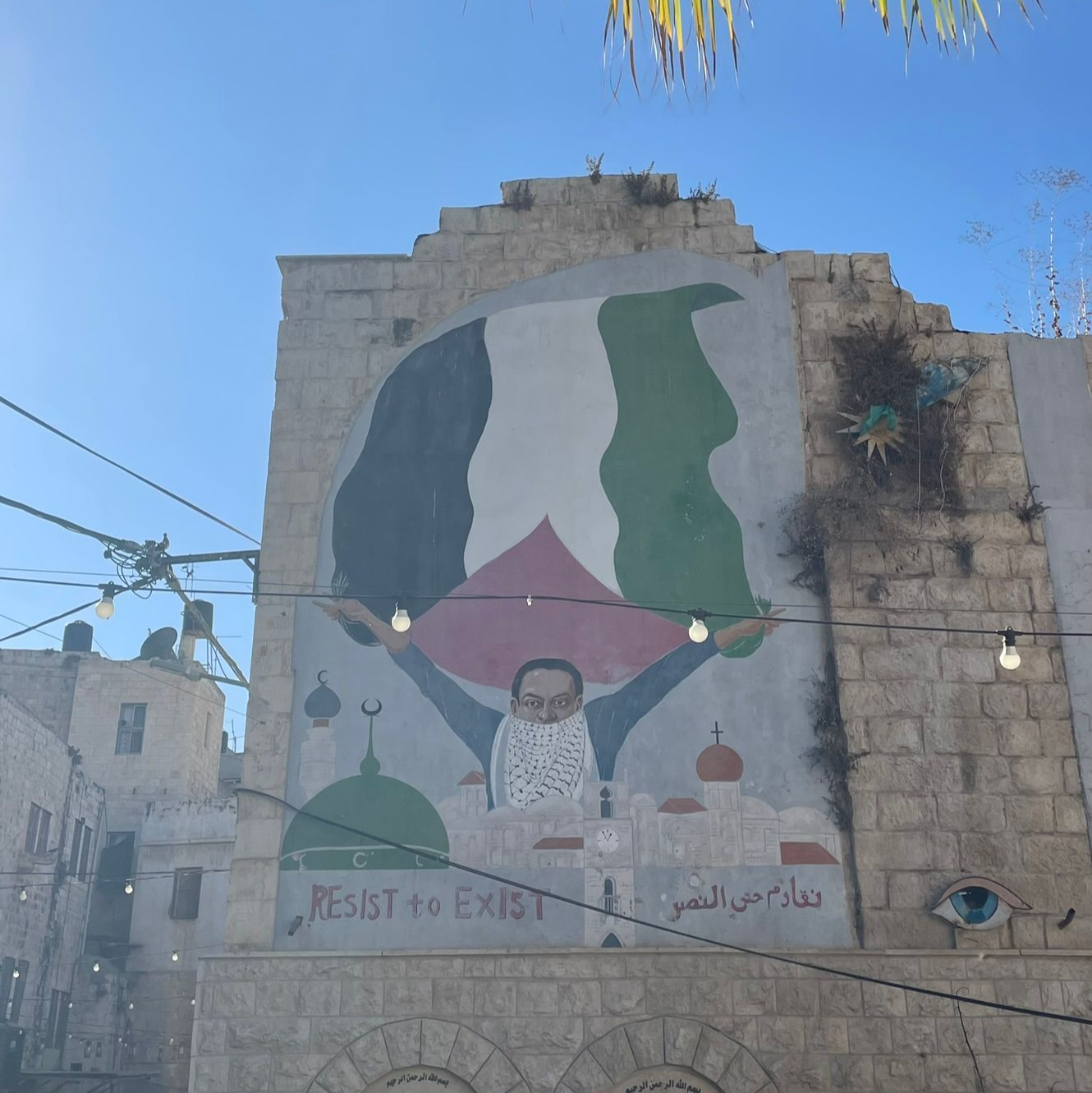
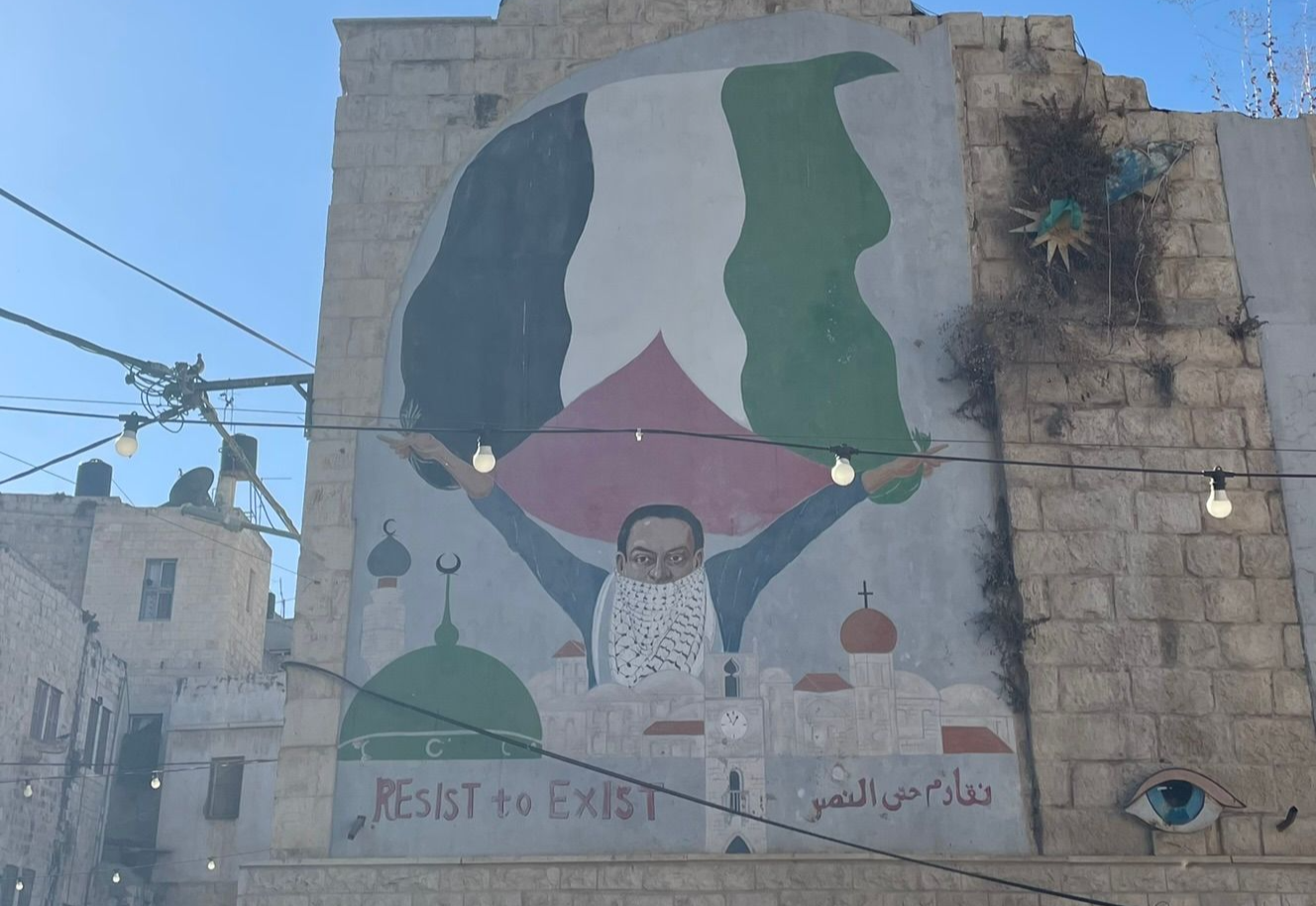
I recently wrote about the need to think decolonially about football, to use the sport as a platform to illuminate and dismantle colonial legacies in the game and beyond. Football as peacebuilding certainly influences the global space of international politics. But it doesn’t exist disconnected from human experience, and there is one cause very close to my heart that is long overdue for us to address: Palestine.
When Spain won the 2026 Men’s World Cup, crowds in Gaza took to the streets to celebrate. For Palestinians, this was about far more than football, given Spain’s vocal support for Palestinian rights in contrast to Israel’s backing of the Argentinian team and its government.
“Whoever raises the Palestinian flag deserves to raise the World Cup,” was the message delivered by the Gaza al-Irada amputee football team ahead of the final. If resistance had a face, this team would represent it better than anything else. Composed of Palestinians who lost limbs during the war, these players have never lost their passion for the global game. They even held a symbolic match at the heavily damaged Palestine Stadium in western Gaza, wearing Argentina and Spain jerseys.
Their resistance is also an act of defiance; they gathered outdoors to watch the tournament despite the constant risk of airstrikes. Mohamed al-Wahidi, a Palestinian aid worker who organized screenings of World Cup matches across Gaza, was killed by an Israeli missile strike on July 7, just before the game between Egypt and Argentina.
He had created these community spaces to offer “a diversion from the continuing misery of near-daily Israeli strikes and severe restrictions on humanitarian aid.” Two children and another man were killed in the same attack, which Israel confirmed was targeted at suspected militants.
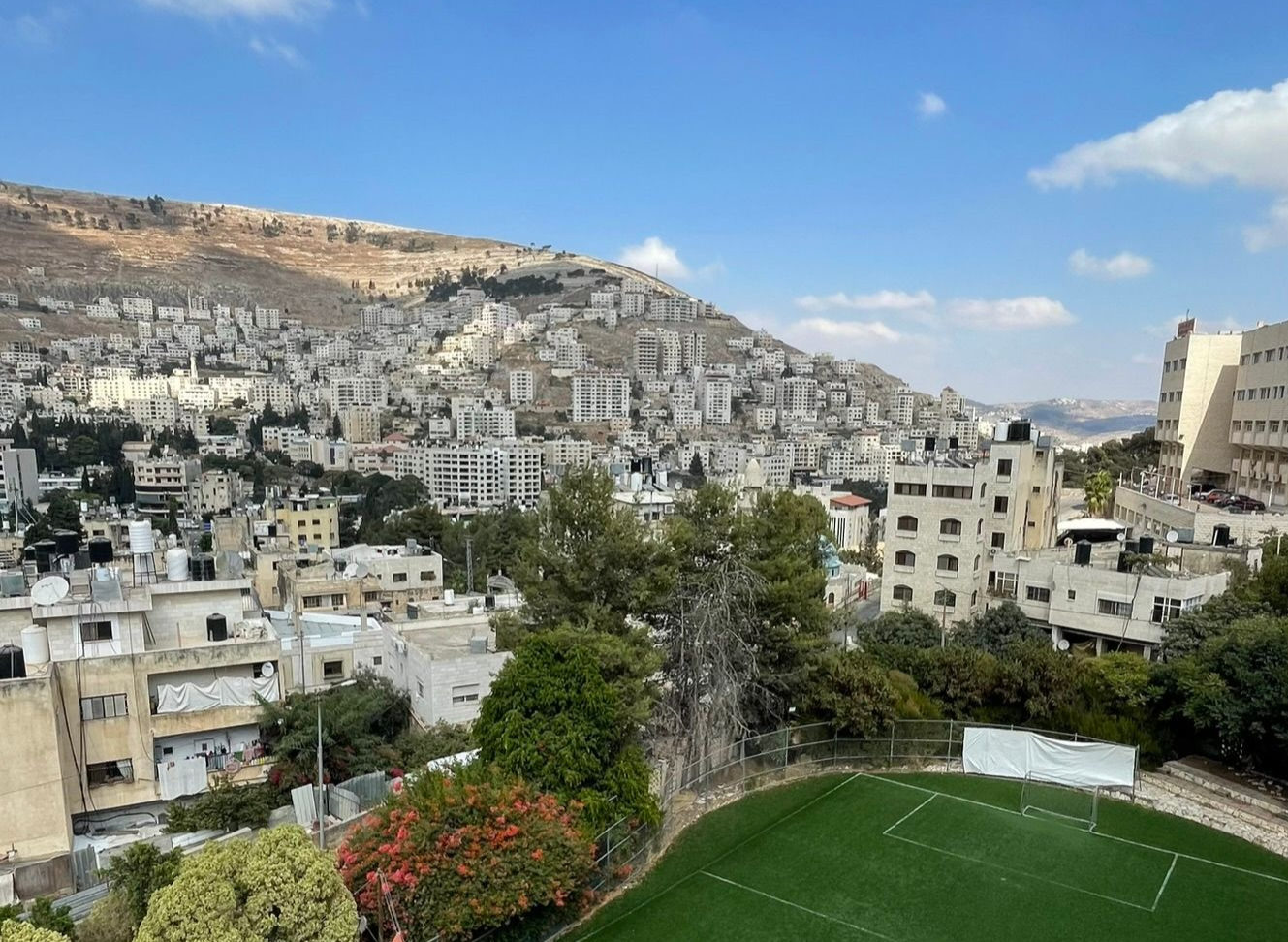
Why is this so personal to me? I lived and worked at a nonprofit in Palestine for a little over two years. Focused on international education, intercultural exchange, and psychosocial support, I learned immensely as a professional. But more importantly, I learned the true meaning of resistance and unlearned the distorted ways we are taught to view the world.
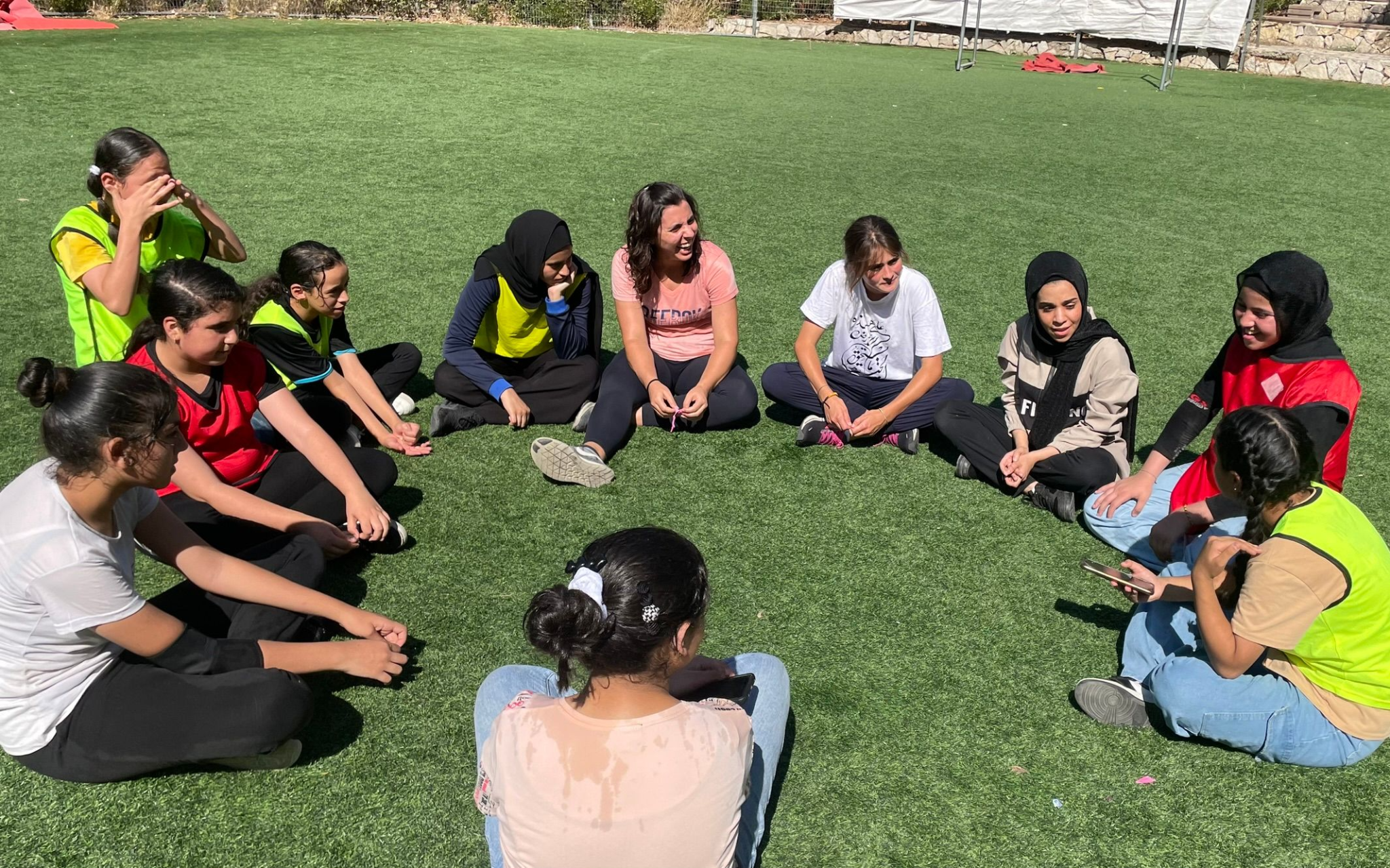
It was also in Palestine that my journey with sport for development and peace began, when I helped launch a girls’ football project and campaign. We built it out of a vital need for a safe space where young women could exercise, bond, and build community. And seeing football still present in the organization's programming from afar was deeply heartening.
Last weekend, Spain’s victory felt like a victory for football itself. Beyond the team's clear dominance on the pitch, their win stood in stark contrast to the favoritism shown toward Argentina by FIFA and the rules manipulation following intervention from US President Trump.
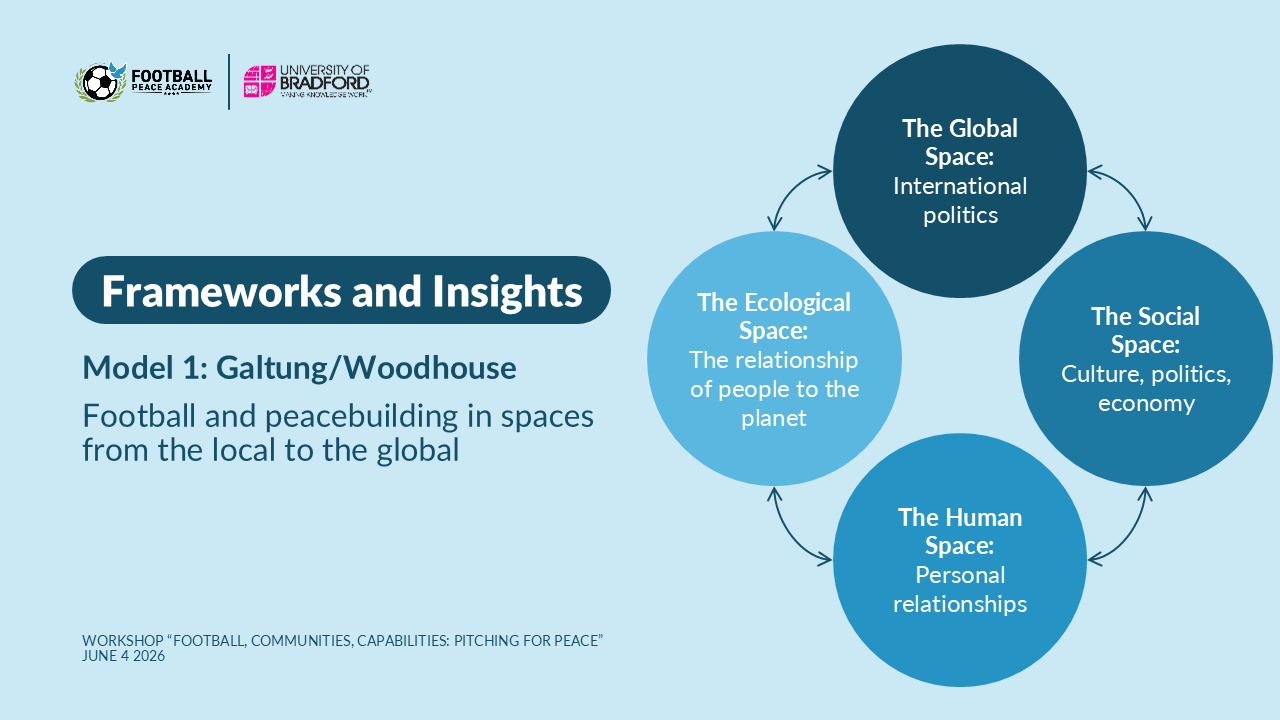
Yet, as much as football mirrors world politics, it cannot solve structural inequality and injustice on its own. We must leverage the peace infrastructure that football inherently provides across all spaces (see graph below), bridging the gap between global politics and human reality and not turning back to conflict and division after stadium lights fade.
For the Palestinian cause, football is a powerful tool of local resistance and global solidarity. Despite the killing of over 1,000 athletes and sports professionals, and the destruction of more than 260 sports facilities, Palestinians are #StillPlaying. Because football is resistance and hope, and as young students in Gaza remind us, “hope always wins.”