The Future of Football Lies at its Roots
“We look at the world once, in childhood. The rest is memory.” I recently read this line by the late American poet Louise Glück and Nobel Prize in Literature in 2020 and it resonated with me as I reflected as a student and practitioner in the field of sport for development and peace.
With football being the most popular sport on the planet, for millions of children around the globe, that initial gaze at the world happens on a football pitch. As they play and watch the game, they forge bonds, memories, and they dream.
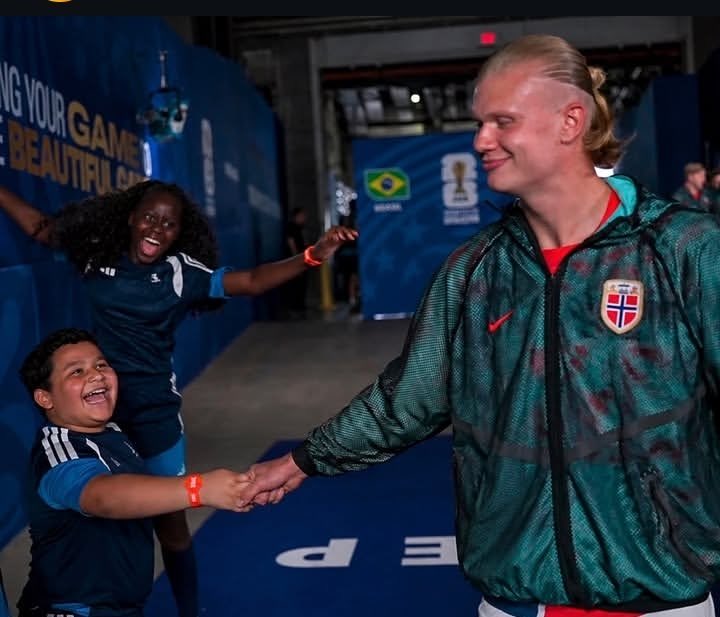
Football has the power to inspire entire generations. Recent moments of genuine connection between the world’s biggest stars and their youngest fans in this year’s World Cup reminded me of that: When Jude Bellingham and Erling Haaland both shared heartfelt moments with children, showing a visible sense of responsibility to the next generation, beyond their immense talent. Furthermore, even amid fierce competition in the Quarter Finals between England and Norway, Bellingham and Haaland, who played together in Borussia Dortmund, showcased that camaraderie and mentorship is at the center stage of the game.
But as the world’s most popular sport tournament captivates the United States, traditionally a powerhouse in international sporting events, they are forced to question how to improve their level in men’s football.
A recent ESPN analysis of the USMNT's World Cup shortcomings points a finger directly at the commercialized youth system, confronting a glaring paradox: the system meant to nurture this inspiration is fracturing.
They argue that today’s youth football formation academies have largely turned into a “pay-to-play” business model, forcing families to pay for both a traditional club and a private academy to keep their children competitive. Consequently, this system caters to affluent suburban areas while systematically excluding kids from rural areas and inner-city centers. When cost becomes the ultimate gatekeeper, an immense pool of talent and passion is left entirely on the sidelines.
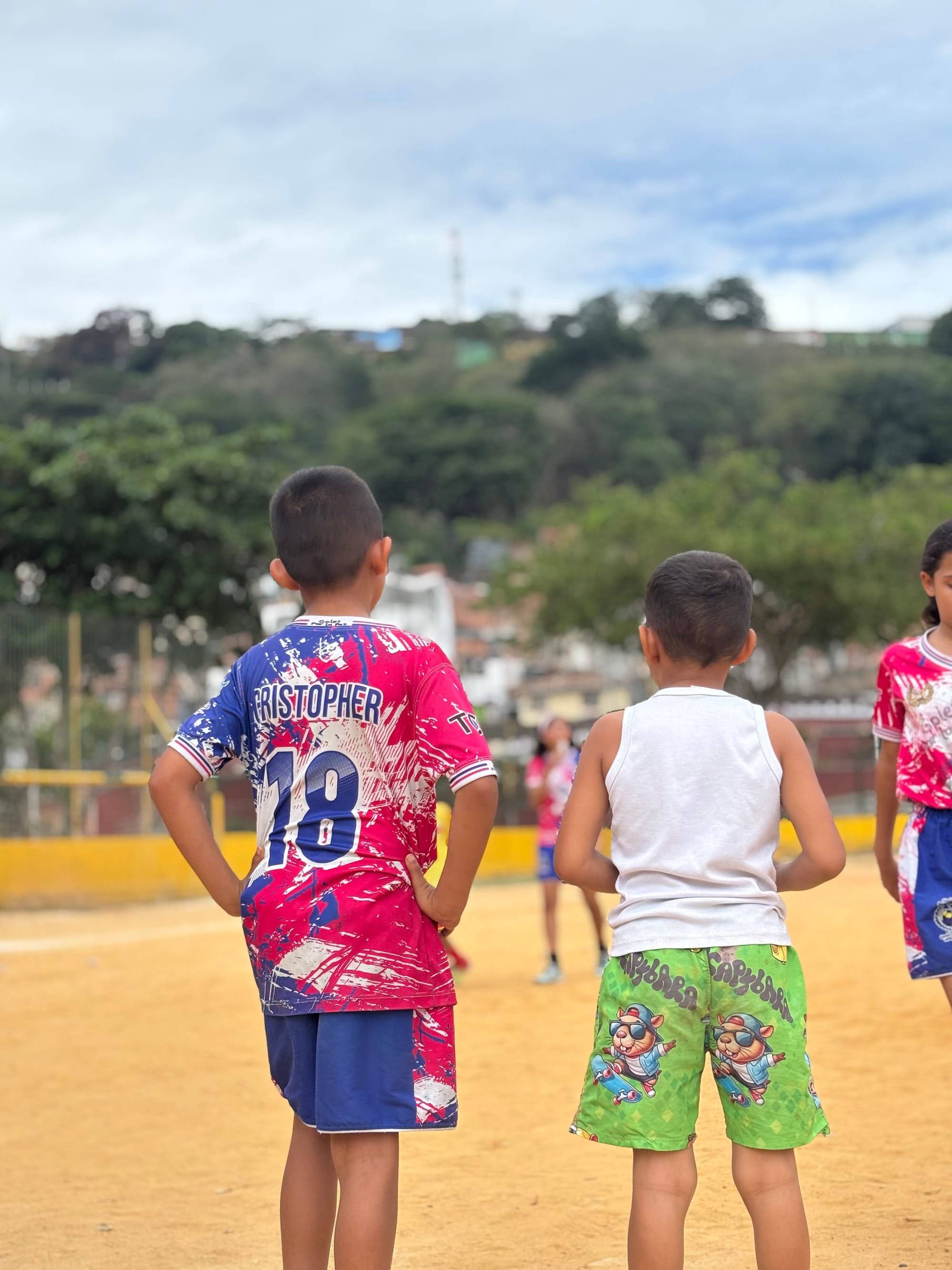
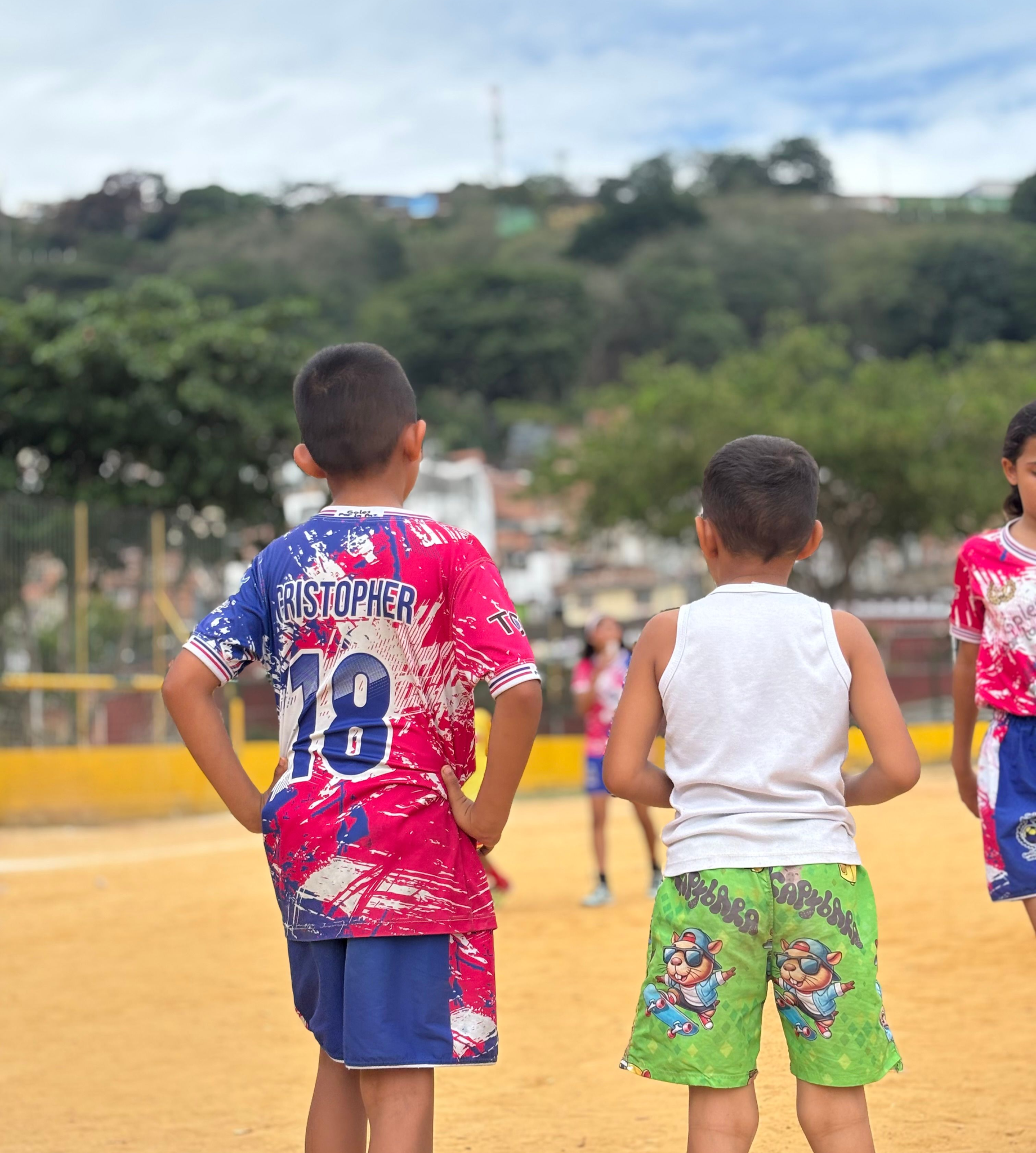
I actually came across this analysis through a LinkedIn post by former Socceroo Captain Craig Foster who noted that “Means should never be the determinant.” If football is truly to serve as a catalyst for positive peacebuilding, it must reach children of all cultural and socioeconomic backgrounds. Working with youth at Fundación Goles por la Paz, in the neighborhood of Olas Dos in Bucaramanga, Colombia, I see this firsthand. The stakes couldn’t be clearer than in the words of one of our participants, who at just 6 years old reminded us that “Children represent peace.”
This week, the UN Youth Office is hosting a conference in New York City titled “One World, One Game, One Goal,” timed deliberately with the tournament to recognize football “as a Catalyst for Youth Mental Health and Well-Being.”
But if football is a catalyst for good, we have to protect the infrastructure that allows it to exist at the community level. While global institutions celebrate the game’s mental and physical health benefits, grassroots organizations are reaching a dangerous tipping point. Social Impact Leader Maike Van Oyen outlines this in her LinkedIn article: Under the pressures of modern time scarcity, economic strains, and increasing pedagogical demands, we can no longer rely solely on the backs of unpaid volunteer labor to run community clubs.
Football is more than a commercial enterprise, and it is more than just entertainment for the wealthy. It is a universal language. But without urgent institutional backing, funding, and policy reform that prioritize community sports, we risk widening the socioeconomic divide of the game, threatening public health, and limiting the safe spaces where children learn to dream.
If we want the childhood memories of the next generation to be filled with hope, health, and inclusion, we must change how we value the game at its roots. We need to remove the pay-to-play barriers that exclude the marginalized, and we must structurally support the grassroots organizations that keep communities alive. Only then can we truly achieve the promise of one world, one game, and one goal.